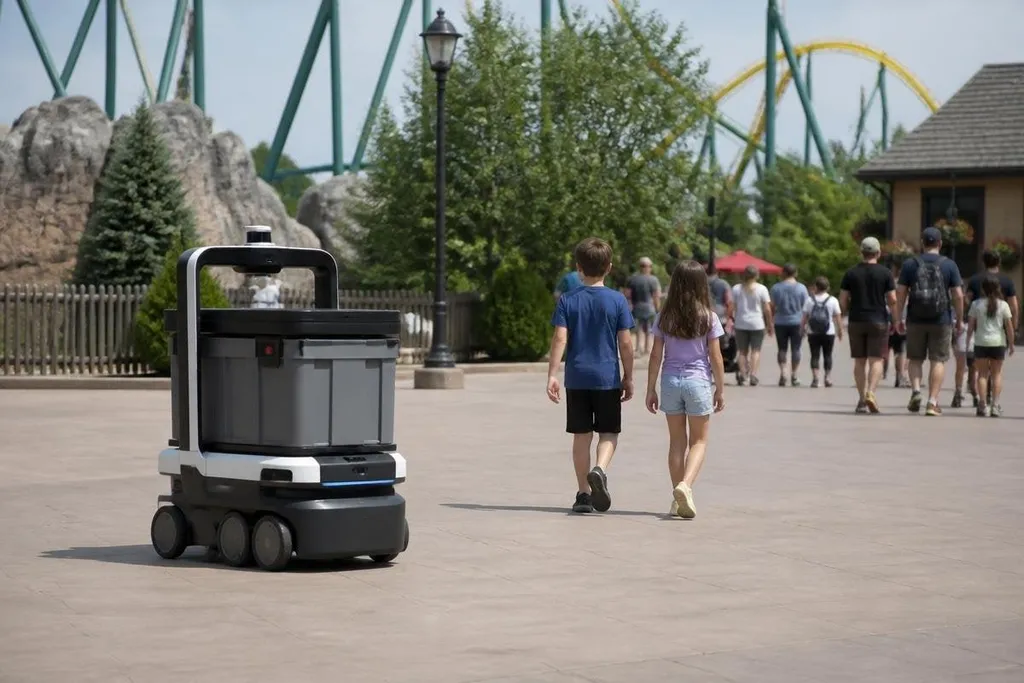
The Rise of AI Assistants in Modern Workplaces
In recent years, the proliferation of AI assistants has reshaped how businesses operate, marking a significant shift in workplace dynamics. These virtual helpers, powered by advanced machine learning algorithms, offer solutions that streamline tasks, enhance productivity, and improve communication within organizations. With the evolution of technology, particularly in 2026, AI assistants have become indispensable tools for efficiency and innovation. For businesses exploring options, AI assistant provide comprehensive insights into task management, customer interaction, and data analysis.
What is an AI Assistant and Its Role?
An AI assistant, often referred to as a virtual assistant, is a software program designed to perform tasks or services for an individual based on commands or queries. These assistants operate through natural language processing (NLP) capabilities, enabling them to understand and respond to user requests effectively. They can manage a multitude of functions, from scheduling meetings and managing emails to providing customer support and facilitating project management.
Benefits of Integrating AI Assistants
- Increased Efficiency: AI assistants can handle repetitive tasks, allowing employees to focus on higher-value activities.
- 24/7 Availability: Unlike human employees, AI assistants can operate around the clock, providing support and information at any time.
- Cost Savings: By automating routine tasks, organizations can reduce operational costs associated with staffing and training.
- Data Management: AI assistants can analyze large volumes of data quickly, offering insights that drive decision-making processes.
Technological Advancements in 2026
The technological landscape surrounding AI is evolving at an unprecedented rate. In 2026, advancements in artificial intelligence, machine learning, and data analytics are set to create even more sophisticated AI assistants. These developments will include better integration with existing enterprise tools, improved understanding of contextual information, and enhanced predictive analytics capabilities.
Common Challenges with AI Assistant Implementation
Identifying and Overcoming User Resistance
One major challenge organizations face when implementing AI assistants is user resistance. Employees may feel threatened by the introduction of AI, fearing job loss or a decrease in their roles. To address this, organizations should emphasize the supportive nature of AI assistants, highlighting how these tools can enhance employee capabilities rather than replace them.
Integration with Existing Tools and Systems
Effective integration of AI assistants into existing workflows is crucial. Many businesses rely on various software applications for their operations, and ensuring seamless interactions between AI and these tools can be complex. A phased approach to integration can facilitate smoother transitions, with adequate testing and feedback mechanisms in place to resolve any issues.
Ensuring Data Privacy and Security
With increasing reliance on AI assistants comes the responsibility to protect sensitive information. Organizations must implement robust data security measures and comply with regulatory frameworks to safeguard user data from breaches and unauthorized access. Transparency regarding data handling practices will also enhance user trust.
Best Practices for Effective Usage of AI Assistants
Customizing AI Assistants for Organizational Needs
Customization is key to maximizing the effectiveness of AI assistants. Businesses should tailor their assistants to meet specific organizational requirements, including industry-specific languages and task-focused capabilities. This level of personalization can significantly enhance the user experience and promote wider adoption across teams.
Training Staff for Seamless Interaction
To ensure successful implementation, organizations should invest in training programs that educate employees on how to interact with AI assistants effectively. This training should cover basic operational commands as well as best practices for maximizing the assistant’s capabilities to support their daily tasks.
Continuous Evaluation and Improvement Strategies
Post-implementation, continuous evaluation of AI assistant performance is essential. Organizations should regularly collect feedback from users, monitor effectiveness, and make necessary adjustments to improve functionality. This iterative process fosters an environment of innovation and continuous improvement, encouraging teams to explore new ways to leverage AI assistance.
Real-World Applications of AI Assistants in Business
Case Studies: Success Stories of Leading Companies
Several leading companies have successfully integrated AI assistants into their workflows, showcasing the operational benefits. For example, a multinational corporation leveraged AI assistants to automate customer service inquiries, significantly reducing response times and increasing customer satisfaction ratings. Another tech startup utilized AI assistants to streamline project management, enhancing collaboration and ensuring timely task completion.
AI Assistants in Project Management and Collaboration
AI assistants play a pivotal role in project management and team collaboration. These tools can assist in scheduling meetings, setting reminders, and tracking project milestones. Furthermore, they can provide real-time data analytics to teams, enabling informed decision-making and resource allocation.
Enhancing Customer Service through AI
In customer service, AI assistants have proven invaluable. They can handle routine inquiries, allowing human agents to focus on more complex issues. Not only does this improve response times, but it also enhances the overall customer experience by providing instant assistance.
Future Trends: AI Assistants Beyond 2026
Emerging Technologies Influencing AI Development
The future of AI assistants is intertwined with advancements in emerging technologies such as deep learning, neural networks, and quantum computing. These technologies will enable AI assistants to process information more efficiently and learn from interactions in real-time, resulting in more human-like conversations and decision-making capabilities.
Shifts in Workforce Dynamics with AI
As AI assistants become more integrated into the workforce, there will be notable shifts in team dynamics. Employees will increasingly collaborate with AI, leading to hybrid roles that combine human intuition with machine efficiency. This evolution will necessitate a reevaluation of job descriptions and required skills in the workforce.
The Evolving Role of Human-AI Collaboration
Human-AI collaboration will redefine the workplace, with AI assistants serving not just as tools, but as key team members that augment human capabilities. The ongoing development of AI will continue to open up new possibilities for collaboration, enhancing creativity and innovation across industries.
What is an AI assistant?
An AI assistant is a software platform designed to perform tasks based on user commands, leveraging machine learning and natural language processing to improve efficiency and productivity across various business operations.
How can AI assistants benefit businesses?
AI assistants streamline workflows, automate repetitive tasks, enhance customer service, and provide data-driven insights that inform strategic decision-making, ultimately leading to cost reductions and increased operational efficiency.
What challenges might organizations face when adopting AI assistants?
Organizations may encounter resistance from users, integration challenges with existing tools, and concerns regarding data privacy and security when implementing AI assistants.
How to measure the effectiveness of an AI assistant?
The effectiveness of an AI assistant can be measured through key performance indicators (KPIs) such as user adoption rates, task completion times, customer satisfaction ratings, and overall productivity improvements.